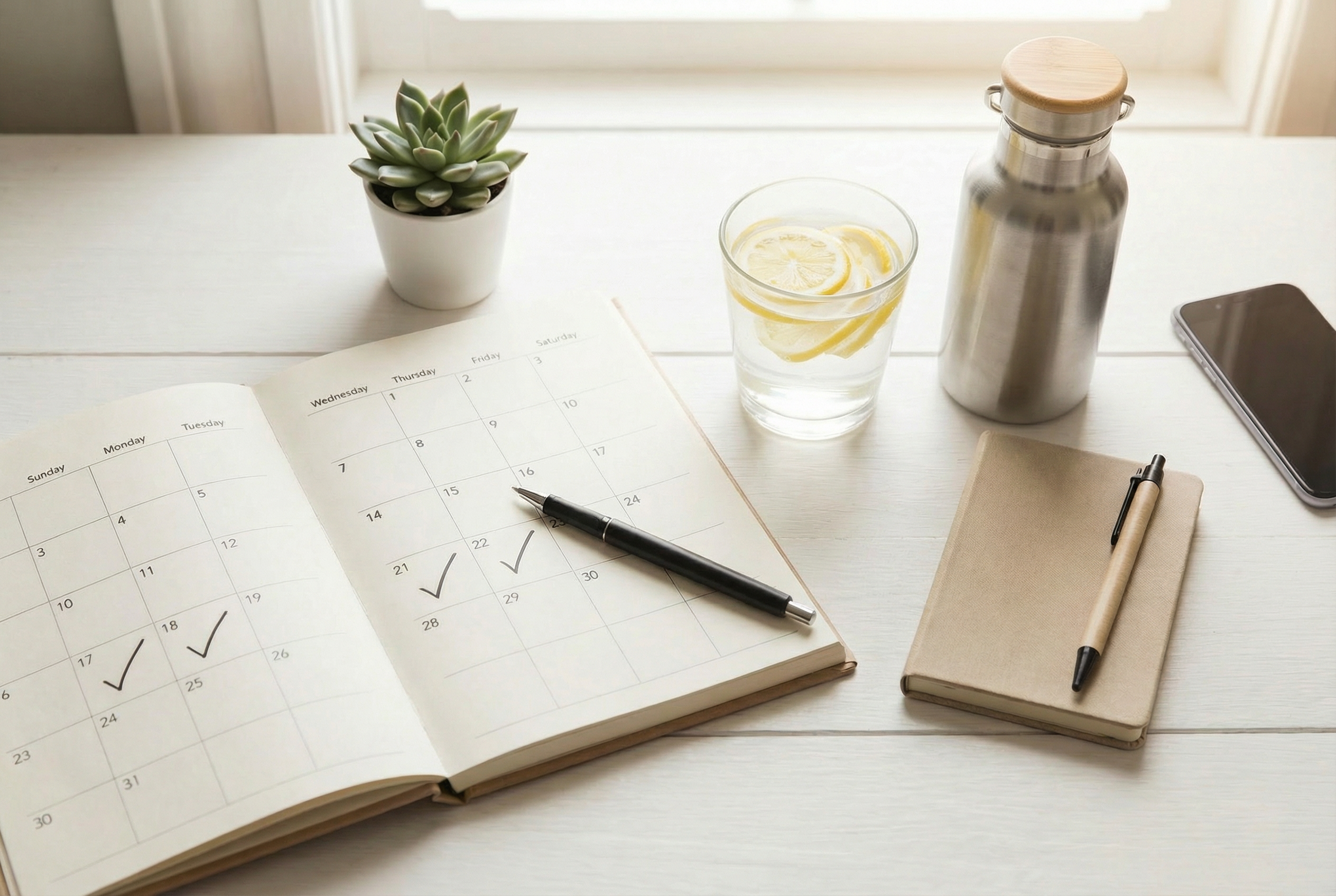
You know you should drink more water. You’ve heard it a million times. You might even start the day with good intentions, a large glass of water right by your side. But then life happens. The morning rush, back-to-back meetings, a never-ending to-do list. Before you know it, it’s 4 PM, and you realize you’ve barely had a few sips all day. That familiar, dull headache starts to creep in, your energy levels are crashing, and you feel a pang of guilt for neglecting such a basic act of self-care.
If this sounds familiar, you are not alone. The struggle to stay consistently hydrated is real, despite our best intentions. We often treat hydration as a passive activity, something that will just happen. But in our busy lives, it needs to be an active, intentional habit. The good news is that building a powerful hydration habit isn’t about forcing yourself to chug gallons of water. It’s about understanding your body’s actual needs, using smart strategies to make it effortless, and leveraging the right tools to stay consistent. This guide will break down the science of hydration and give you actionable steps to finally build a water-drinking habit that sticks.
The Surprising Science of Hydration: More Than Just Eight Glasses
For decades, the prevailing wisdom has been the “8x8 rule” – drink eight 8-ounce glasses of water per day, which equals about two liters. While it’s a simple and memorable guideline, it’s a blanket statement that doesn’t account for the vast differences between individuals. The truth is, your ideal water intake is not a one-size-fits-all prescription.
How Much Water Do You Actually Need?
Modern research provides a more nuanced picture. The National Academies of Sciences, Engineering, and Medicine suggest a general guideline for daily fluid intake, which includes water from all beverages and foods:
- For the average, healthy man: About 15.5 cups (3.7 liters) of total fluids a day.
- For the average, healthy woman: About 11.5 cups (2.7 liters) of total fluids a day. [1]
It’s crucial to understand that this is a starting point. Your personal needs can be significantly higher or lower based on several factors:
- Activity Level: If you exercise, you lose water through sweat and need to drink more to compensate. A tough workout can mean you need several extra cups of water.
- Climate: Hot or humid weather makes you sweat more, requiring increased fluid intake.
- Overall Health: Your body needs more water when you have a fever, vomiting, or diarrhea. Certain conditions like bladder infections also benefit from increased water intake.
- Pregnancy and Breastfeeding: Women who are pregnant or breastfeeding need additional fluids to stay hydrated.
A simple way to gauge your needs is the urine color test. If your urine is pale yellow, like lemonade, you’re likely well-hydrated. If it’s dark yellow or amber-colored, it’s a clear sign you need to drink more water.
The Sneaky Signs of Dehydration
Thirst is the most obvious sign that you need to drink water, but it’s actually a lagging indicator. By the time you feel thirsty, your body is already in a state of mild dehydration. Other common, yet often overlooked, signs of dehydration include:
- Fatigue and low energy
- Dull headaches
- Difficulty concentrating or “brain fog”
- Dizziness or lightheadedness
- Dry mouth, lips, and skin
- Reduced urination frequency
Recognizing these early warning signs allows you to act before dehydration begins to more seriously impact your well-being.
How Dehydration Sabotages Your Performance
Even mild dehydration, defined as a loss of just 1-2% of your body weight in water, can have a significant negative impact on both your brain and your body.
Cognitive Performance: Your brain is about 75% water, so it’s no surprise that its performance is highly sensitive to your hydration status. Research has consistently shown that dehydration can impair several cognitive functions:
- Attention and Concentration: Studies reveal that even mild dehydration leads to increased neuronal activation, meaning your brain has to work harder to perform the same tasks. [2]
- Short-Term Memory: Dehydration has been shown to have a negative effect on short-term memory and the ability to recall information. [3]
- Mood: Dehydration can lead to feelings of fatigue, confusion, and even anger. Rehydrating has been shown to improve these mood states.
Physical Performance: For athletes, hydration is a cornerstone of performance. A fluid loss of just 2% of body weight can lead to a noticeable decrease in physical performance, including reduced endurance and power output. [4] But it’s not just for athletes. Proper hydration is essential for everyone to maintain energy levels, regulate body temperature, and keep joints lubricated.
8 Practical Strategies to Drink More Water Effortlessly
Knowing you need to drink more water is one thing; actually doing it is another. The key is to stop relying on willpower and start building a system of habits that makes hydration automatic. Here are eight practical strategies you can implement today.
1. Habit Stack with Your Meals
One of the most effective ways to build a new habit is to stack it onto an existing one. You already eat meals every day, so use them as a trigger. The formula is simple:
After [CURRENT HABIT], I will [NEW HABIT].
In this case: “After I finish a meal, I will drink a full glass of water.” This simple practice can add three full glasses to your daily total without much extra thought. For more on this powerful technique, check out our definitive guide on how to build a new habit.
2. Carry a Water Bottle Everywhere
This is perhaps the most common advice for a reason: it works. When a water bottle is always within your line of sight, you are far more likely to sip from it throughout the day. The friction of having to get up and get a glass is removed. Invest in a reusable water bottle you enjoy using—whether it’s a sleek stainless steel one that keeps water cold for hours or a large one with time markers to keep you on track.
3. Set Smart Reminders
In the beginning, you may need a little nudge. Use technology to your advantage. Set recurring reminders on your phone or use a dedicated hydration app. You can set a simple alarm for the top of every hour to remind you to take a few sips. The goal is to use these reminders as training wheels until the habit becomes second nature.
4. Make Your Water More Interesting
Let’s be honest, plain water can be a bit boring. If you find yourself craving sugary drinks, try infusing your water with natural flavors. Add slices of lemon, lime, cucumber, or a handful of berries. Mint or a stick of cinnamon can also add a refreshing twist. This not only makes your water more appealing but also adds a small boost of vitamins and antioxidants.
5. Front-Load Your Hydration
Your body is naturally dehydrated when you wake up. Starting your day with a large glass of water is a powerful way to kickstart your hydration. Before you reach for coffee, make it a rule to drink 16-20 ounces of water first. This single action can make a huge difference in your energy levels and mental clarity throughout the morning. It’s a cornerstone of many successful morning routines.
6. Eat Your Water
Don’t forget that a significant portion of your fluid intake comes from food. Incorporate water-rich foods into your diet. Fruits like watermelon, strawberries, and cantaloupe are over 90% water. Vegetables like cucumbers, celery, and lettuce are also excellent sources. This is an easy and delicious way to contribute to your overall hydration goals.
7. Create a Visual Cue
Place a large pitcher or a designated water bottle on your desk each morning. Your goal is simply to finish it by the end of the workday. This visual representation of your goal can be a powerful motivator. It turns an abstract goal (“drink more water”) into a concrete, measurable task (“finish this pitcher”).
8. Track Your Intake with 3act
What gets measured gets managed. Simply tracking your water intake can make you more mindful and motivated to hit your goals. This is where an accountability tool can be a game-changer. Instead of just hoping you’ll remember, you can turn your hydration into a concrete Action within the 3act app.
By creating a daily Action to “Drink 8 glasses of water,” you create a commitment that you and your crew can see. Every time you log your intake, you get a small hit of satisfaction and build your daily streak. If you miss a day, your accountability partners in your crew will see it in the feed, providing a powerful social incentive to stay on track. This simple act of tracking transforms hydration from a passive wish into an active, accountable habit.
Make It Stick: Your Hydration Habit and 3act
Building a new habit, even one as simple as drinking more water, is challenging because life gets in the way. That’s why relying on willpower alone often fails. True, lasting change comes from building a system of accountability.
This is where 3act shines. By creating a daily Action for your water intake, you’re not just setting a personal goal; you’re making a public commitment to your crew. This simple act of sharing your progress automatically leverages the power of social accountability. When your friends see you consistently hitting your hydration goals, it creates positive reinforcement. And on days when you might forget, the shared feed acts as a gentle, supportive reminder.
Don’t just hope you’ll drink more water. Make it an official part of your daily routine. Set up your water tracking Action in 3act, invite a friend to be your accountability partner, and start building a hydration habit that truly sticks.
Ready to Build Habits That Actually Stick?
3act is the free social habit tracker where your crew holds you accountable. Track your habits, share progress with friends, and never fall off again. With automatic accountability, streaks, XP, and a supportive crew by your side, your productive days start now. Download 3act free on the App Store →
References
[1] Institute of Medicine. 2005. Dietary Reference Intakes for Water, Potassium, Sodium, Chloride, and Sulfate. Washington, DC: The National Academies Press.
[2] Riebl, S. K., & Davy, B. M. (2013). The Hydration Equation: Update on Water Balance and Cognitive Performance. ACSM’s Health & Fitness Journal, 17(6), 21–28.
[3] Zhang, N., Du, S. M., Zhang, J. F., & Ma, G. S. (2019). Effects of Dehydration and Rehydration on Cognitive Performance and Mood among Male College Students in Cangzhou, China: A Self-Controlled Trial. International journal of environmental research and public health, 16(11), 1891.
[4] Judelson, D. A., Maresh, C. M., Anderson, J. M., Armstrong, L. E., Casa, D. J., Kraemer, W. J., & Volek, J. S. (2007). Hydration and muscular performance: does fluid balance affect strength, power and high-intensity endurance? Sports medicine (Auckland, N.Z.), 37(10), 907–921.