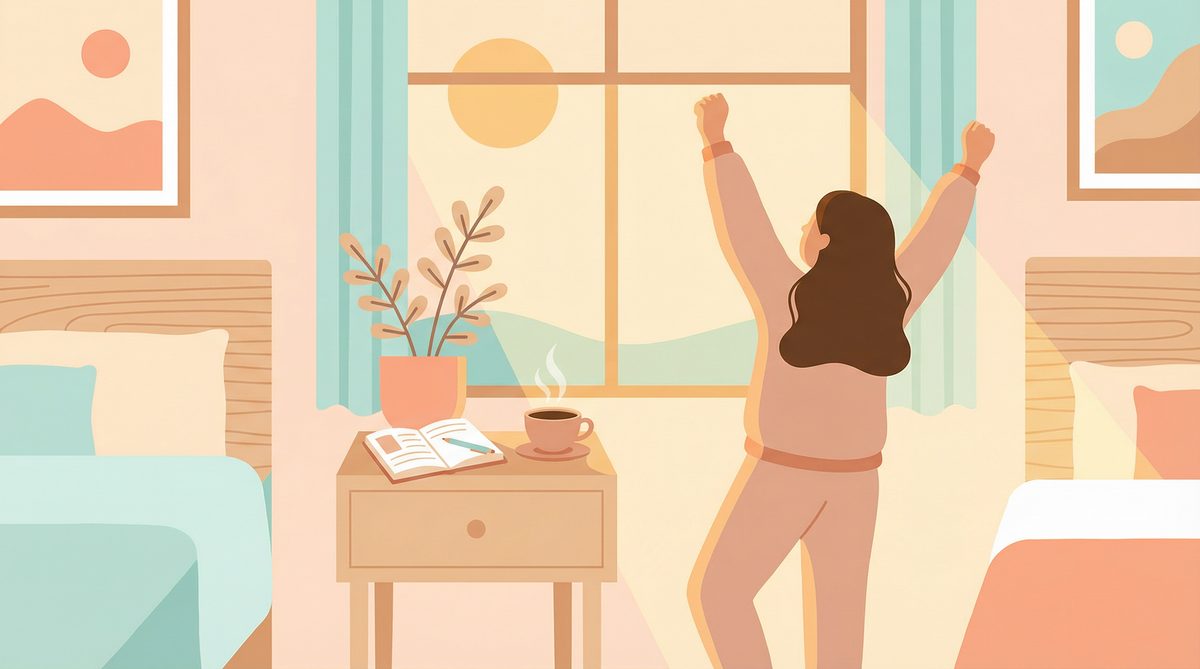
Does this sound familiar? You crawl into bed, exhausted after a long day, but your mind refuses to switch off. You toss and turn, watching the minutes on the clock tick by, knowing you have to be up in a few short hours. The more you stress about not sleeping, the more elusive sleep becomes. The next day is a write-off; you’re groggy, irritable, and fueled by caffeine just to get through it. You promise yourself you’ll get a good night’s sleep tonight, but the cycle repeats.
If you’re tired of being tired, you’re not alone. Millions of people struggle with poor sleep, feeling like they’re fighting a losing battle every night. But what if the solution wasn’t about trying harder to sleep, but about building a smarter routine during your waking hours? What if you could systematically build habits that signal to your body and brain that it’s time for restorative rest?
This is the power of sleep hygiene. It’s not about complicated bio-hacking or expensive gadgets. It’s a set of simple, evidence-based practices that can dramatically improve the quality and quantity of your sleep. In this guide, we’ll explore the science behind why these habits work and give you 10 actionable steps you can take starting today to get the best sleep of your life.
The Science of Great Sleep: Your Body
’s Internal Clock
To understand why sleep hygiene works, we first need to understand our body’s two primary sleep-regulating systems.
Your Circadian Rhythm: The Master Clock
Deep within your brain, in the hypothalamus, is a tiny region called the suprachiasmatic nucleus (SCN). Think of it as your body’s master clock. This clock operates on a roughly 24-hour cycle known as the circadian rhythm. It controls dozens of bodily functions, from hormone release and body temperature to, most importantly, your sleep-wake cycle.
Your circadian rhythm is the reason you naturally feel sleepy around the same time each night and wake up around the same time each morning, even without an alarm.
The most powerful external cue that synchronizes this internal clock is light. When light, especially sunlight, enters your eyes, it signals to the SCN that it’s daytime. This promotes wakefulness and alertness. As light fades in the evening, the SCN gets the signal that night is approaching, initiating the process of winding down for sleep.
Sleep Pressure and Melatonin: The Wind-Down Crew
While your circadian rhythm determines the timing of sleep, another process determines the drive for sleep. From the moment you wake up, a neurotransmitter called adenosine begins to accumulate in your brain. This buildup creates what scientists call sleep pressure or sleep drive. The longer you’re awake, the more adenosine builds up, and the sleepier you feel.
As evening approaches and light exposure decreases, your SCN gives the green light to the pineal gland to start producing melatonin, the famous “hormone of darkness.” Melatonin doesn’t knock you out like a sleeping pill; rather, it works with your high sleep pressure to gently signal that it’s time for bed. It’s the final nudge that helps you transition into sleep.
Understanding these two systems is key. The goal of good sleep hygiene is to support and synchronize them, creating a powerful, consistent rhythm that makes falling asleep and staying asleep feel effortless. When we send our body mixed signals—like blasting our eyes with bright light from our phones late at night or having an erratic sleep schedule—we disrupt this delicate dance, leading to the frustrating nights we all know too well.
10 Evidence-Based Sleep Hygiene Habits for Better Rest
Now that we understand the science, let’s put it into practice. These ten habits are your toolkit for optimizing your sleep. Don’t feel like you need to implement all of them at once. Start with one or two, and once they feel automatic, add another. Consistency is everything, and this is where an app like 3Act can make a huge difference by helping you track your new routine with friends.
1. Wake Up at the Same Time Every Day
This is the golden rule of sleep hygiene. Waking up at the same time every day, yes, even on weekends, is the most effective way to anchor your circadian rhythm. A consistent wake-up time solidifies your sleep-wake cycle, making it easier to fall asleep at night and wake up naturally in the morning.
2. Get Morning Light Exposure
To reinforce that strong wake-up signal, get at least 10-15 minutes of direct sunlight shortly after waking. This blast of morning light is the most powerful signal you can send to your SCN to shut off melatonin production and start the 24-hour clock. It’s a cornerstone of building a healthy sleep pattern and a great habit to add to your morning routine.
3. Implement a Caffeine Curfew
Caffeine is a stimulant that works by blocking adenosine receptors in your brain, effectively masking sleep pressure. While great for a morning boost, its effects can last for many hours. Caffeine has a half-life of about 5-6 hours, meaning half of it is still in your system that long after you consume it. To prevent it from interfering with sleep, establish a firm “caffeine curfew” at least 8-10 hours before your desired bedtime.
4. Power Down Your Screens
The blue light emitted by phones, tablets, and computers is particularly disruptive to your circadian rhythm. It mimics daylight and tricks your brain into thinking it’s still daytime, suppressing melatonin production. Set a digital curfew 1-2 hours before bed. Use this time for relaxing, screen-free activities instead.
5. Create a Cool, Dark, and Quiet Sanctuary
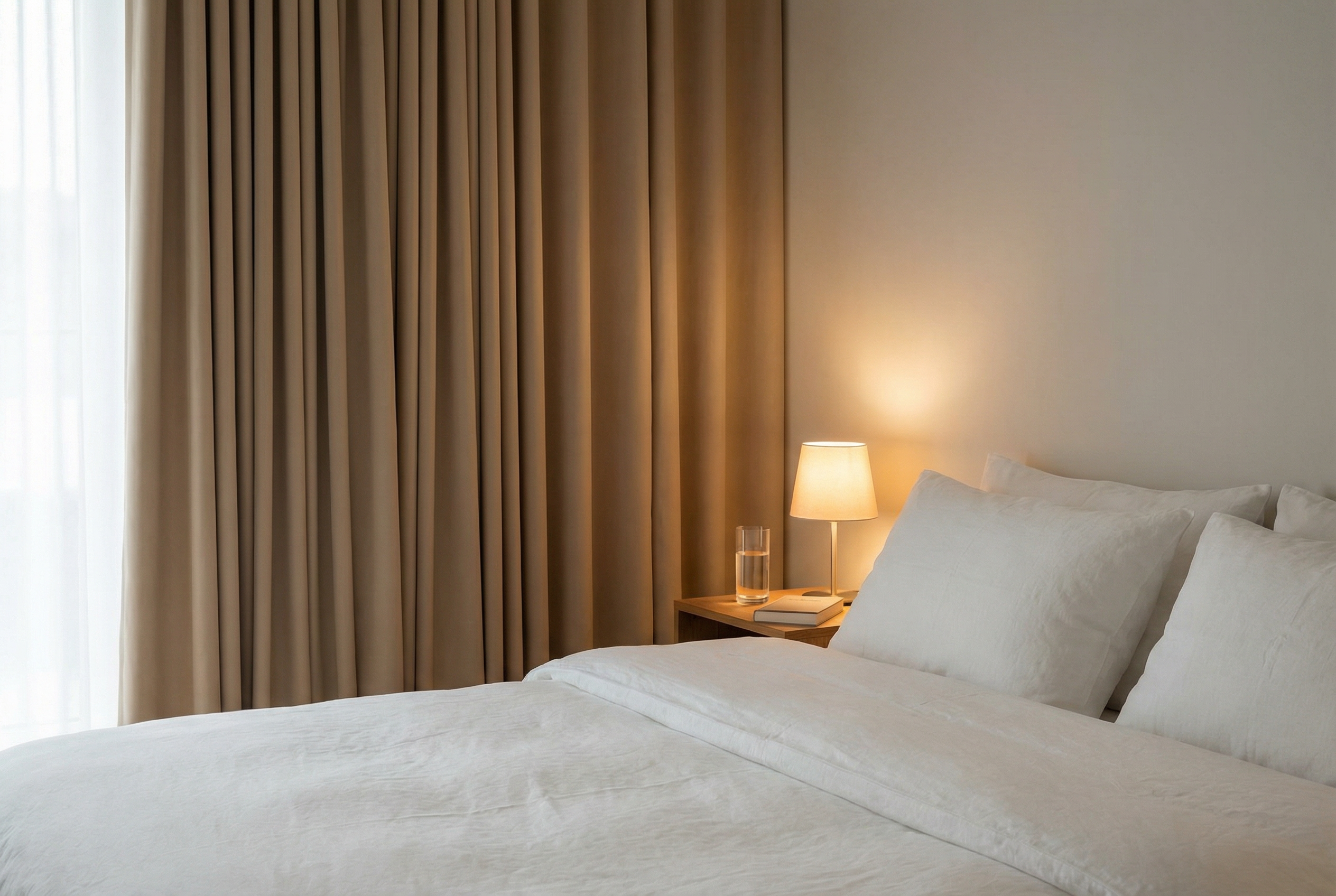
Your bedroom environment plays a huge role in sleep quality. Your body temperature naturally needs to drop to initiate and maintain sleep. The ideal room temperature for sleeping is around 65°F (18.3°C). Use blackout curtains and a white noise machine or earplugs to minimize light and sound disruptions.
6. Time Your Exercise Right
Regular physical activity is fantastic for sleep, but the timing matters. Vigorous exercise too close to bedtime can raise your core body temperature and increase alertness, making it harder to wind down. Aim to finish any intense workouts at least 2-3 hours before you plan to go to sleep. A gentle walk or stretching in the evening is perfectly fine.
7. Develop a Relaxing Bedtime Routine
A consistent bedtime routine is a powerful psychological cue. It signals to your body and mind that the day is over and it’s time to prepare for sleep. This doesn’t have to be complicated. Spend 30-60 minutes on relaxing activities like reading a physical book, gentle stretching, listening to calming music, or taking a warm bath. This is a perfect Cycle to set up in the 3act app to ensure you do it every night.
8. Avoid Alcohol Before Bed
While a glass of wine might make you feel sleepy initially, alcohol is a major sleep disruptor. It suppresses REM sleep, the most mentally restorative sleep stage, and often leads to awakenings in the middle of the night as it wears off. It’s best to avoid alcohol, especially in the few hours before bed.
9. Be Smart About Napping
Naps can be a great way to combat midday drowsiness, but they can reduce sleep pressure if taken too late or for too long. If you need to nap, keep it short (20-30 minutes) and do it before 3 p.m. This will give you a quick boost without sabotaging your nighttime sleep.
10. Start a ‘Worry Journal’
If a racing mind is what keeps you awake, get those thoughts out of your head and onto paper. Keep a notebook by your bed and spend a few minutes before your bedtime routine writing down whatever is on your mind: your to-do list for tomorrow, things you’re worried about, or just a recap of your day. This practice, a form of journaling for anxiety, can help you process your thoughts and calm your mind before sleep.
Building Consistency with 3Act
Knowing what to do is one thing; doing it consistently is the real challenge. This is where social accountability comes in. By tracking your new sleep hygiene habits in the 3Act app, you’re not just ticking a box for yourself. You’re sharing your commitment with your crew.
Imagine your accountability partner seeing that you checked off “Screen Curfew at 9 PM” and “Read for 30 Mins.” That simple, shared progress creates a powerful feedback loop that reinforces your new routine. When your friends are building better habits alongside you, the entire process becomes more engaging and much more effective. You can learn more about the power of an accountability partner here.
Ready to Build Habits That Actually Stick?
3act is the free social habit tracker where your crew holds you accountable. Track your habits, share progress with friends, and never fall off again. With automatic accountability, streaks, XP, and a supportive crew by your side, your productive days start now. Download 3act free on the App Store →
References
[1] Walker, M. (2017). Why We Sleep: Unlocking the Power of Sleep and Dreams. Scribner.
[2] Huberman, A. (Host). (2021, May 24). Master Your Sleep & Be More Alert When Awake (No. 2) [Audio podcast episode]. In Huberman Lab. https://www.hubermanlab.com/episode/master-your-sleep-and-be-more-alert-when-awake
[3] Irish, L. A., Kline, C. E., Gunn, H. E., Buysse, D. J., & Hall, M. H. (2015). The role of sleep hygiene in promoting public health: A review of empirical evidence. Sleep medicine reviews, 22, 23–36. https://doi.org/10.1016/j.smrv.2014.10.001
[4] Drake, C., Roehrs, T., Shambroom, J., & Roth, T. (2013). Caffeine effects on sleep taken 0, 3, or 6 hours before going to bed. Journal of Clinical Sleep Medicine, 9(11), 1195–1200. https://doi.org/10.5664/jcsm.3170